A 20 mg pod can feel completely different from a 20 mg bottle of e-liquid used in a high-power tank. That is why learning how to choose nicotine strength starts with more than the number on the label. Your device, vaping style, previous nicotine use, and how often you vape all affect what feels satisfying.
For adult nicotine users, choosing well can make the switch from cigarettes or an old setup less frustrating. Choose too little and you may keep reaching for your device without feeling settled. Choose too much and the experience can become harsh, unpleasant, or simply more nicotine than you want. The goal is a level that manages cravings comfortably, then gives you room to reduce if that is your plan.
How to Choose Nicotine Strength by Device Type
Nicotine strength is usually shown as milligrams per milliliter, written as mg/ml. A 20 mg/ml liquid contains 20 milligrams of nicotine in each milliliter of liquid. Some labels use percentages instead: 20 mg/ml is 2%, while 10 mg/ml is 1%.
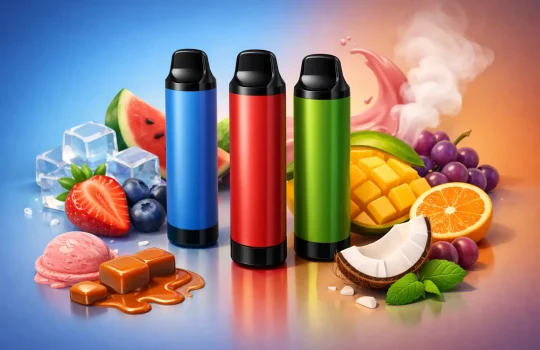
The number matters, but vapor output matters just as much. A compact pod or disposable produces less vapor per puff than a larger sub-ohm device. Because each puff is smaller, these low-power devices commonly use higher-strength nicotine salts. A powerful tank produces far more vapor, so lower nicotine strengths are generally the better fit.
For many adult users, these are sensible starting ranges:
- Pod systems and most disposables: 10 mg/ml or 20 mg/ml nicotine salt
- Low-power refillable mouth-to-lung devices: 5 mg/ml to 20 mg/ml, depending on smoking history and liquid type
- Restricted direct-lung or moderate-power devices: 3 mg/ml to 6 mg/ml
- Sub-ohm and high-power direct-lung tanks: 0 mg/ml to 6 mg/ml, with 3 mg/ml being common
These are starting points, not rules. Coil resistance, wattage, airflow, puff length, and your own nicotine tolerance can shift the best choice in either direction.
Start With Your Previous Nicotine Use
If you are moving from cigarettes, look at your actual routine rather than picking a strength based on what a friend uses. Someone who smoked occasionally may find 10 mg/ml in a pod more than enough. A person who smoked throughout the day may initially prefer 20 mg/ml in a compatible low-power pod.
A simple way to think about it is frequency and urgency. Did you smoke only in social settings, at certain breaks, or regularly from morning to night? Did you feel strong cravings soon after waking? More frequent, established nicotine use may call for a higher starting strength, while lighter use often suits a lower one.
Do not try to match cigarettes and e-liquid milligram for milligram. Nicotine delivery differs between products, devices, puffing habits, and people. Use your old routine as context, then adjust based on how the new setup actually feels.
If you do not currently use nicotine, do not start. Nicotine is addictive and vaping products are for adults only.
Nicotine Salts vs. Freebase Nicotine
The same strength can feel different depending on the nicotine format. This is one of the most common reasons people believe they chose the wrong level.
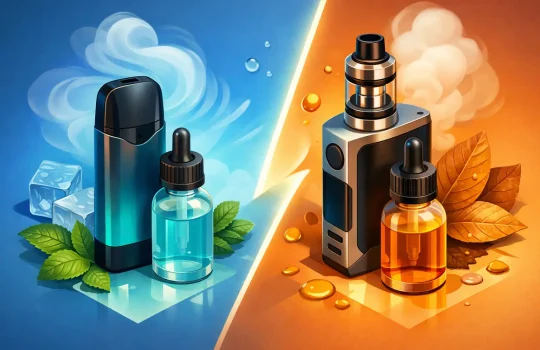
Nicotine salts, usually called nic salts, are made for a smoother inhale at higher strengths. They are widely used in prefilled pods, disposables, and refillable pod systems. At 10 mg/ml or 20 mg/ml, nic salts can provide a satisfying option for adult smokers and regular nicotine users without the sharp throat hit many people get from high-strength freebase liquid.
Freebase nicotine has a more noticeable throat hit, especially as strength rises. It remains a popular choice for traditional e-liquids, particularly at lower levels such as 3 mg/ml or 6 mg/ml in higher-output devices. In a mouth-to-lung tank, freebase at 6 mg/ml or 12 mg/ml may suit some users, but the same strengths can feel too sharp for others.
If 20 mg/ml freebase feels rough, switching to a 20 mg/ml nic salt may improve comfort without reducing the labeled strength. If a nic salt feels too subtle or encourages constant vaping, moving down to 10 mg/ml may be the smarter change.
Watch for Signs Your Strength Is Too High or Too Low
Your first few days with a new strength are useful feedback. Give your body time to adjust to a new device, but do not ignore consistent discomfort.
A strength may be too high if you regularly experience:
- nausea or lightheadedness after vaping
- headaches that appear after frequent use
- a racing feeling or cold sweats
- an overly harsh throat hit in a device designed for smooth use
Stop vaping if you feel unwell and seek medical advice for severe or persistent symptoms. For a milder but repeated issue, reduce the strength or take fewer, shorter puffs. Do not assume that feeling dizzy means the product is working better.
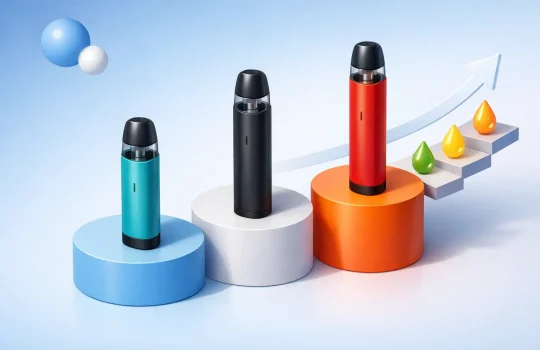
A strength may be too low when cravings remain strong, you vape constantly without satisfaction, or you return to cigarettes because the device does not meet your needs. In that case, moving from 5 mg/ml to 10 mg/ml, or from 10 mg/ml to 20 mg/ml in a suitable pod device, can be more effective than buying a more powerful device.
Choose Strength for Your Vaping Style
Mouth-to-lung vaping resembles the draw of a cigarette: inhale into the mouth first, then breathe it in. It is common with pod kits, starter kits, tighter airflow tanks, and many disposable vapes. These devices pair naturally with nic salts and moderate to higher nicotine strengths because they produce a more controlled amount of vapor.
Direct-lung vaping is a bigger, airier inhale straight to the lungs. It is common with open airflow, sub-ohm coils, and higher wattage. The extra vapor means high nicotine strengths can become overwhelming very quickly. If you use this style, low-strength freebase liquid is usually the safer starting point.
Also consider how you puff. Long, frequent draws can increase nicotine intake even at a moderate strength. Short, occasional puffs may leave a lower-strength user satisfied. A label is only one part of the equation.
What EU Shoppers Should Know About 20 mg/ml
In EU retail markets, 20 mg/ml is a familiar maximum nicotine strength for many compliant ready-to-use e-liquids, pods, and disposables. That does not mean every adult user needs 20 mg/ml. It is a practical option for some regular nicotine users with low-power devices, while 10 mg/ml can offer a more comfortable everyday balance for others.
When comparing products, confirm both the strength and the format. A 20 mg/ml disposable, a 20 mg/ml prefilled pod, and a 20 mg/ml nic-salt refill are often intended for similar low-power use. A 3 mg/ml high-VG freebase e-liquid is intended for a very different setup.
Strength-specific filters make this faster when you are shopping across flavors or brands. At VSHUB24, checking the device category before choosing a strength helps avoid the classic mismatch of high-nicotine liquid with a high-output coil.
DIY Mixing: Calculate Before You Mix
DIY mixing gives experienced users more control, but it leaves less room for guessing. Always calculate the final nicotine concentration based on the full finished volume, including nicotine shots, base liquid, flavor concentrate, and any extra VG or PG.
For example, adding a 10 ml 20 mg/ml nicotine shot to 50 ml of nicotine-free longfill liquid creates 60 ml at approximately 3.3 mg/ml. It does not create a 20 mg/ml finished liquid. Adding two identical shots to 50 ml creates 70 ml at approximately 5.7 mg/ml.
Use accurate bottles and measuring tools, label every mix with its strength and date, and keep nicotine liquid securely away from children and pets. Wear suitable protective gloves when handling concentrated nicotine. If you are new to DIY, start with lower-risk, clearly measured combinations rather than trying to create a high-strength mix from scratch.
Make One Change at a Time
If a new vape is not satisfying, do not change strength, coil, flavor, airflow, and wattage all at once. You will not know what solved the problem. Adjust one variable, use it for a day or two, and notice the result.
A good next order is not necessarily the highest strength or the lowest price per bottle. It is the strength that fits your device and leaves you comfortable between puffs. Start with the setup you actually use, pay attention to how you feel, and let that real-world feedback guide your next pick.