
What Is E-Liquid?
E-liquid — also called vape liquid, vape juice, or e-juice — is the fluid used in electronic cigarettes and vape devices to produce vapor. If you are new to vaping, choosing the right e-liquid is one of the most important decisions you will make. The right vape liquid affects your flavor experience, throat hit, nicotine satisfaction, and overall enjoyment.
Every e-liquid contains four basic ingredients. Propylene Glycol (PG) is a thin, tasteless liquid that carries flavor well and produces a noticeable throat hit — the sensation in the back of your throat that feels similar to smoking. Vegetable Glycerin (VG) is a thicker, slightly sweet liquid responsible for producing visible vapor clouds. Nicotine is an optional ingredient available in various strengths, from 0mg (nicotine-free) to 20mg in the EU. Flavorings are food-grade concentrates that give e-liquid its taste, ranging from simple tobacco and menthol to complex fruit and dessert blends.
The ratio of PG to VG, the nicotine strength, and the flavor you choose all work together to create your vaping experience. A beginner who picks the wrong combination may find vaping harsh, bland, or unsatisfying — which is why understanding these components before your first purchase is so important. This vape liquid guide for beginners covers everything you need to make an informed choice.
E-liquids are regulated in the European Union under the Tobacco Products Directive (TPD). This regulation sets limits on nicotine strength (maximum 20mg/ml), bottle size (maximum 10ml for nicotine-containing liquids), and requires safety features such as child-resistant caps and health warnings on packaging.

Understanding Nicotine Strengths
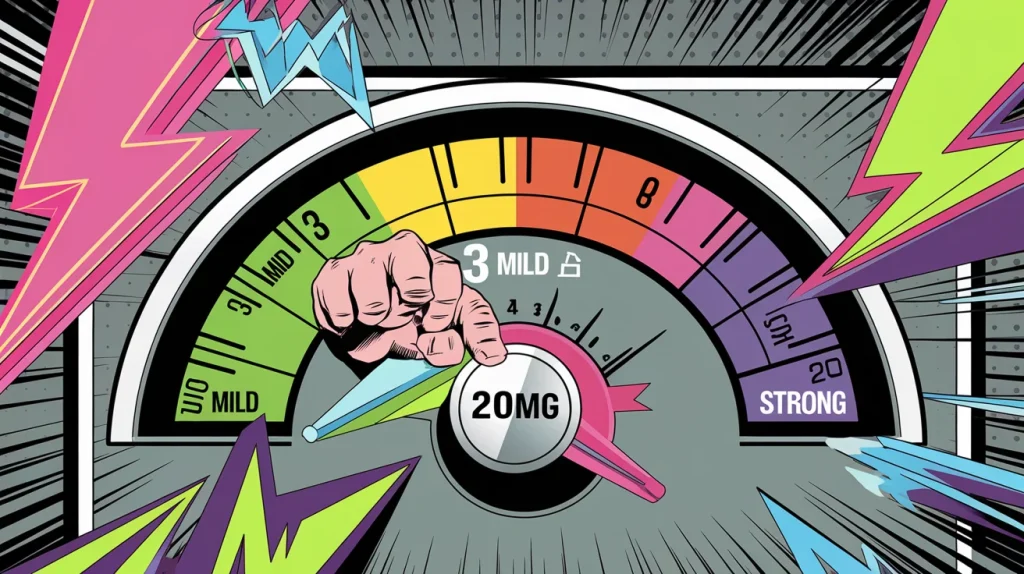
Nicotine strength is measured in milligrams per milliliter (mg/ml). Choosing the right nicotine strength is the single most important decision for a beginner. If the strength is too low, you may not feel satisfied and could return to cigarettes. If it is too high, you may experience nausea, dizziness, or an uncomfortable throat hit.
| Strength | mg/ml | Best For | Throat Hit | Device Type |
|---|---|---|---|---|
| Low | 3–6mg | Light smokers / cloud chasers | Mild | Sub-ohm |
| Medium | 12mg | Moderate smokers | Moderate | MTL |
| High | 18–20mg | Heavy smokers | Strong | MTL / Pod |
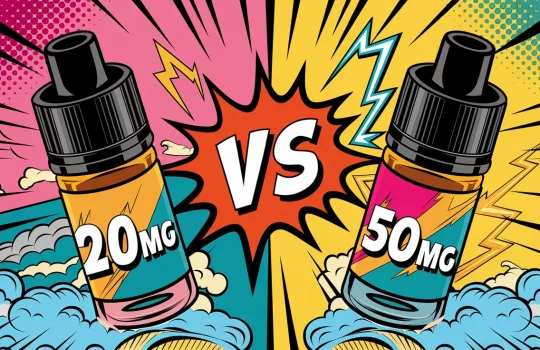
| Very High | 50mg | Very heavy smokers (non-EU) | Very strong | Pod |
In the European Union, the maximum nicotine strength for e-liquids is 20mg/ml. This limit is set by the TPD and applies to all nicotine-containing e-liquids sold within EU member states. The 50mg strength listed above is available in markets outside the EU, such as the United States and some Asian countries, but it is not legally sold within Europe.
As a general rule, if you smoked a pack a day or more, start with 18–20mg in a pod or mouth-to-lung (MTL) device. If you smoked half a pack a day, try 12mg. If you were a light or social smoker, 3–6mg in a sub-ohm device may be enough. You can always adjust your nicotine level after the first week based on how you feel.
PG/VG Ratios Explained for Beginners
The PG/VG ratio of an e-liquid determines how it feels when you vape it. PG (propylene glycol) and VG (vegetable glycerin) are the two base liquids that make up the majority of any e-liquid. Each one has different properties, and the ratio between them changes the vaping experience significantly.
What Does PG Do?
PG is a thin liquid that carries flavor efficiently. E-liquids with a higher PG content taste more intense and produce a stronger throat hit. PG also produces less visible vapor, which some users prefer for discreet vaping. However, a small number of people experience mild sensitivity to PG, which can cause a dry throat or slight irritation.
What Does VG Do?
VG is a thicker, slightly sweet liquid that produces large, dense vapor clouds. E-liquids with high VG content feel smoother on the throat and create a more visible exhale. However, the thicker consistency can reduce flavor intensity slightly and may not work well in all devices — particularly small pod systems with narrow wicking channels.
Common Ratios and When to Use Them
- 50/50 (PG/VG) — The most balanced ratio. Good throat hit, moderate vapor production, and strong flavor. Ideal for pod systems and MTL devices. This is the best starting point for most beginners.
- 60/40 (VG/PG) — Slightly more vapor than 50/50 with a smoother throat hit. Works well in both MTL and low-power sub-ohm devices.
- 70/30 (VG/PG) — The standard ratio for sub-ohm vaping. Produces large clouds with a smooth feel. Best used with low-nicotine (3–6mg) freebase e-liquids.
- 80/20 or Max VG — Maximum cloud production with a very smooth throat hit. Designed for high-power sub-ohm devices. Not suitable for pod systems.
If you are using a pod system or MTL device, choose a 50/50 or 60/40 ratio. If you are using a sub-ohm tank or rebuildable atomizer, go for 70/30 or higher VG. Using a thick, high-VG liquid in a small pod device can cause poor wicking, dry hits, and coil damage.
E-Liquid Flavor Categories
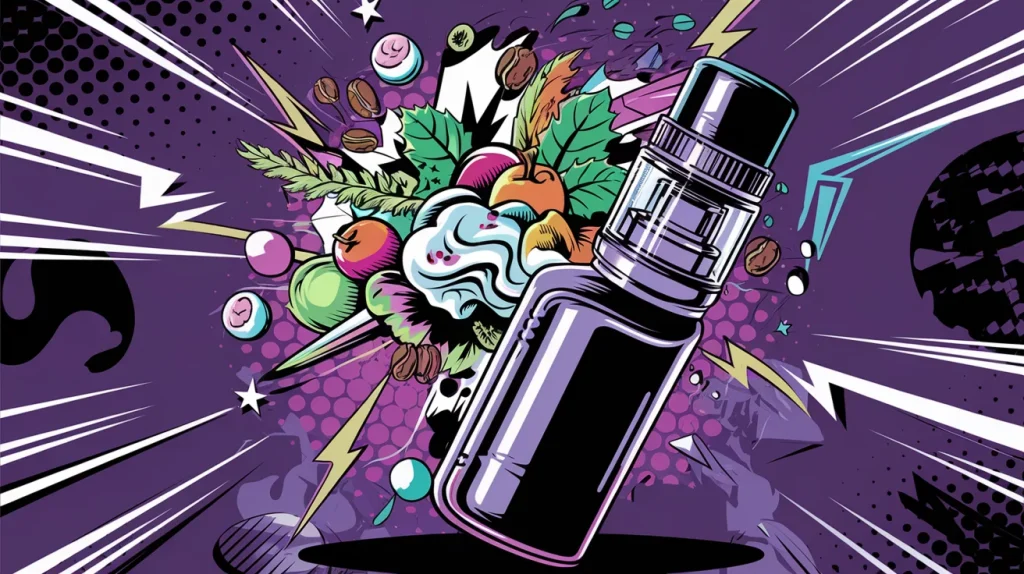
E-liquid flavors are one of the main reasons people enjoy vaping. The range of available flavors is vast, but they generally fall into five main categories. Understanding these categories helps you narrow down your first purchase without feeling overwhelmed.
Tobacco
Tobacco-flavored e-liquids are designed to replicate the taste of traditional cigarettes, cigars, or pipe tobacco. They range from light Virginia tobacco to rich, smoky blends. For smokers transitioning to vaping, tobacco flavors provide a familiar taste that can make the switch easier. Keep in mind that no e-liquid tastes exactly like a burning cigarette — the flavor is cleaner and more nuanced because there is no combustion involved.
Menthol and Mint
Menthol and mint flavors are among the most popular for beginners, especially former menthol cigarette smokers. These flavors provide a cool, refreshing sensation on the inhale and exhale. Options range from pure peppermint to icy menthol blasts. Menthol e-liquids also pair well with other flavor categories — many fruit and beverage flavors include a menthol twist.
Fruit
Fruit flavors are the most diverse category. You can find single-fruit options like strawberry, mango, watermelon, and grape, as well as complex fruit blends that combine multiple flavors. Fruit e-liquids tend to be light and refreshing, making them a popular all-day vape choice. They are an excellent option for people who want to move away from the taste of tobacco entirely.
Dessert
Dessert flavors include custard, vanilla, cake, cookie, caramel, and chocolate profiles. These e-liquids tend to be richer and sweeter, making them a satisfying after-meal vape. Dessert flavors often perform best with higher VG ratios and sub-ohm devices, where the warmth of the vapor brings out the complexity of the flavor.
Beverage
Beverage-inspired flavors replicate drinks like coffee, cola, lemonade, energy drinks, and even cocktails. This category is smaller than fruit or dessert but offers interesting options for people looking for something different. Coffee and cola flavors are particularly popular among smokers who want a familiar, full-bodied taste.
Tip for Choosing Your First Flavor
Start with a flavor similar to what you already enjoy. If you smoke menthol cigarettes, try a menthol or mint e-liquid first. If you prefer sweet drinks, a fruit or beverage flavor may feel more natural than tobacco. Buying one or two small bottles to test is better than committing to a large bottle of a flavor you might not like.
Nicotine Salt vs Freebase Nicotine
When you shop for e-liquid, you will see two types of nicotine: freebase nicotine and nicotine salt (often shortened to “nic salt”). Understanding the difference helps you choose the right product for your device and your needs.
What Is Freebase Nicotine?
Freebase nicotine is the traditional form used in e-liquids since vaping began. It is pure nicotine in its base form. At lower strengths (3–6mg), freebase nicotine is smooth and comfortable. At higher strengths (12mg and above), it produces a strong, sometimes harsh throat hit. Freebase nicotine is best suited for sub-ohm devices that operate at higher power and produce large amounts of vapor.
What Is Nicotine Salt?
Nicotine salt is a modified form of nicotine that includes benzoic acid, which lowers the pH level. This makes nicotine salt significantly smoother at higher strengths. You can vape a 20mg nicotine salt e-liquid with minimal throat irritation, whereas 20mg freebase would feel very harsh for most users. Nicotine salts are also absorbed into the bloodstream faster, providing quicker nicotine satisfaction that feels closer to smoking a cigarette.
When to Choose Nicotine Salts
- You are using a pod system or low-power MTL device
- You want 12–20mg nicotine without a harsh throat hit
- You are a recent smoker who needs fast nicotine delivery
- You prefer discreet vaping with less visible vapor
When to Choose Freebase Nicotine
- You are using a sub-ohm device at higher wattages
- You prefer 3–6mg nicotine with large vapor clouds
- You enjoy a noticeable throat hit at lower nicotine levels
- You are mixing your own e-liquids
Most beginners who start with a pod system should choose nicotine salt e-liquids. The smoother experience at higher strengths makes the transition from smoking more comfortable. If you start with a sub-ohm device, freebase nicotine at a low strength is the better option.
Matching E-Liquid to Your Device
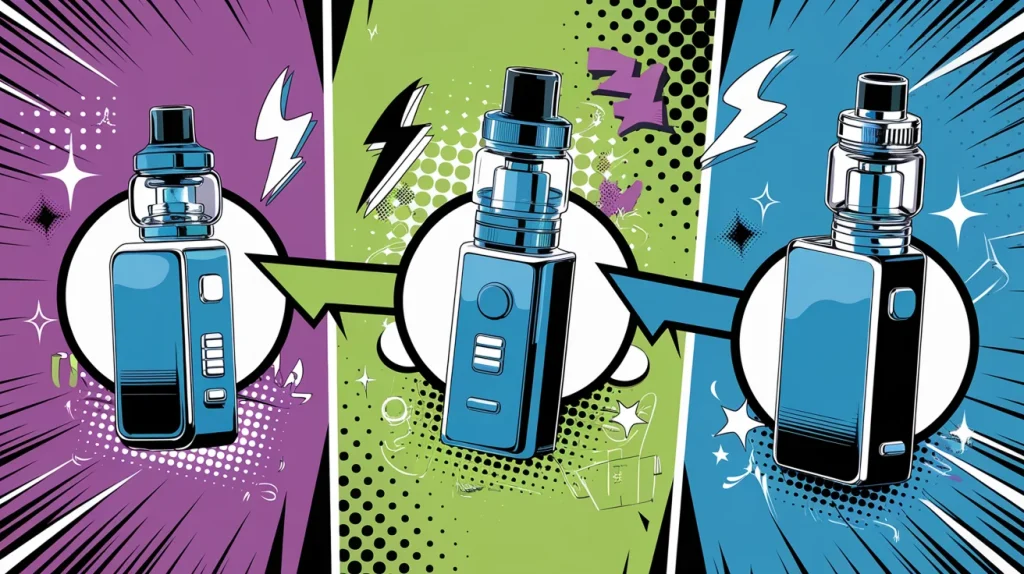
Your vape device determines which e-liquids will work best. Using the wrong combination leads to poor performance, bad flavor, or even a negative physical reaction. Here is how to match your e-liquid to your device type.
Pod Systems
Pod systems are small, low-power devices that are the most popular choice for beginners. They use pre-filled or refillable pods and operate at low wattages (typically 8–20 watts). For pod systems, use nicotine salt e-liquids with a 50/50 PG/VG ratio at 12–20mg nicotine. The thin 50/50 liquid wicks properly in small pods, and the nicotine salt provides smooth, satisfying delivery at higher strengths.
Mouth-to-Lung (MTL) Tanks
MTL tanks produce a tight draw similar to smoking a cigarette. They operate at slightly higher power than pod systems (15–25 watts). For MTL tanks, you can use either nicotine salt or freebase nicotine at 6–20mg with a 50/50 to 60/40 PG/VG ratio. MTL tanks offer more flexibility than pod systems and handle slightly thicker e-liquids without problems.
Sub-Ohm Tanks
Sub-ohm tanks operate at higher power (30–100+ watts) and produce large vapor clouds. For sub-ohm devices, use freebase nicotine at 3–6mg with a 70/30 VG/PG ratio or higher. The high power vaporizes large amounts of liquid per puff, so low nicotine is essential to avoid nicotine overconsumption. The thicker VG liquid handles the high temperatures and faster wicking demands of sub-ohm coils.
Tips for Buying Your First E-Liquid
Your first e-liquid purchase does not need to be complicated. Follow these practical tips to avoid common beginner mistakes and find a vape liquid you enjoy from the start.
Check the Nicotine Strength First
Before anything else, verify that the nicotine strength matches your device and your smoking habits. This is more important than flavor. A delicious-tasting e-liquid will be unpleasant if the nicotine is too strong or too weak for your setup.
Start with Smaller Bottles
Buy 30ml bottles when trying new flavors. In the EU, nicotine-containing e-liquids come in 10ml bottles due to TPD regulations, so you may be buying individual 10ml bottles or multipacks. This smaller format is actually ideal for beginners because it allows you to test several flavors without a large financial commitment. Do not buy bulk quantities of a flavor you have never tried.
Choose Reputable Brands and Retailers
Purchase e-liquids from established brands and authorized retailers. Reputable products are manufactured in certified facilities, use pharmaceutical-grade ingredients, and comply with EU safety standards. Avoid unregulated or counterfeit products, especially those sold without proper labeling or packaging.
Check Expiry Dates and Batch Codes
E-liquid has a shelf life of approximately 1–2 years from the manufacturing date. Always check the expiry date and batch code on the bottle before purchasing. Expired e-liquid may lose its flavor quality, change color, or separate. A reputable retailer will not sell expired products, but it is good practice to verify this yourself, especially when buying online.
Read Reviews and Product Descriptions
Look for detailed product descriptions that list the PG/VG ratio, nicotine type (salt or freebase), and flavor profile. Customer reviews can give you an idea of what a flavor actually tastes like compared to its description. Be cautious of overly vague product listings that lack basic technical information.
Common Beginner Mistakes to Avoid
Most vaping beginners make one or more of these mistakes when choosing their first e-liquid. Knowing about them in advance helps you avoid a frustrating start to your vaping experience.
Wrong Nicotine Strength
This is the most common beginner mistake. Choosing nicotine that is too high causes nausea, headaches, and dizziness. Choosing nicotine that is too low leaves you unsatisfied and craving cigarettes. Use the comparison table in the nicotine strengths section above to find your starting point, and adjust after the first few days based on how you feel.
Wrong PG/VG Ratio for Your Device
Using a 70/30 VG/PG liquid in a small pod system causes dry hits, gurgling, and poor flavor because the thick liquid cannot wick fast enough through small coil openings. Using a 50/50 liquid in a high-power sub-ohm device leads to a harsh throat hit and thin, unsatisfying vapor. Always match the PG/VG ratio to your device type.
Not Priming Coils Properly
New coils need to be primed (pre-soaked with e-liquid) before use. If you install a new coil and immediately start vaping, the dry cotton inside the coil will burn, producing a terrible burnt taste that ruins the coil permanently. To prime a coil, add a few drops of e-liquid directly onto the cotton openings and let it sit for 5–10 minutes before your first puff. Start at a lower wattage and gradually increase.
Buying Too Much of One Flavor
Flavor preference is highly personal, and e-liquid flavors can taste different from their descriptions. A flavor that sounds appealing online may not suit your taste in practice. Buy small quantities of 2–3 different flavors for your first order. Once you find one you enjoy, you can buy larger quantities or explore similar flavor profiles with more confidence.
Ignoring Device Maintenance
Even the best e-liquid will taste bad in a dirty device. Clean your tank or pod regularly, replace coils when flavor quality drops (typically every 1–3 weeks), and store your e-liquid in a cool, dark place away from direct sunlight. Proper maintenance extends coil life and keeps flavors tasting fresh.
Start Your Vaping Journey with VSHUB24
Browse beginner-friendly e-liquids with nicotine strengths from 3mg to 20mg. EU-wide delivery.
Frequently Asked Questions
Former smokers should start with 12–20mg in a pod or MTL device. If you smoked less than 10 cigarettes per day, 6–12mg is a good starting point. For very light or social smokers, 3–6mg in a sub-ohm device may be sufficient. The goal is to match the nicotine satisfaction you are used to so you do not feel the need to go back to cigarettes. You can adjust your strength up or down after the first week of use.
Nicotine salts are smoother at higher strengths (12–20mg) and are absorbed faster into the bloodstream, making them ideal for pod systems and MTL devices. Freebase nicotine gives a stronger throat hit at lower strengths (3–12mg) and is better suited for sub-ohm devices that produce large vapor clouds. Most beginners using pod systems start with nicotine salts because the smoother experience at higher strengths makes the transition from smoking more comfortable.
Yes, you can mix different e-liquid flavors together. Start with similar flavor profiles for the best results — for example, mixing two fruit flavors or combining a menthol with a fruit flavor. Avoid mixing very different flavor categories (such as tobacco and dessert) until you have more experience. Always ensure both liquids have the same nicotine strength and similar PG/VG ratios for consistent performance in your device.
A 30ml bottle of e-liquid typically lasts between 1 and 2 weeks for an average user. Heavy users may go through 30ml in less than a week, while light users might stretch it to 3 weeks or more. Pod system users generally consume less liquid than sub-ohm users because pod devices produce less vapor per puff. In the EU, nicotine-containing e-liquids are sold in 10ml bottles under TPD regulations, so you may go through 1–2 bottles per week depending on your usage.
For heavy smokers transitioning to vaping, 20mg nicotine salt in a pod device is appropriate and often recommended. The 20mg strength is the maximum allowed in the EU for nicotine-containing e-liquids. In a low-power pod system, 20mg provides nicotine satisfaction similar to smoking a cigarette. However, 20mg would be too strong in a sub-ohm device — always match the nicotine strength to your device type. If you were a light smoker, start with a lower strength such as 6–12mg.