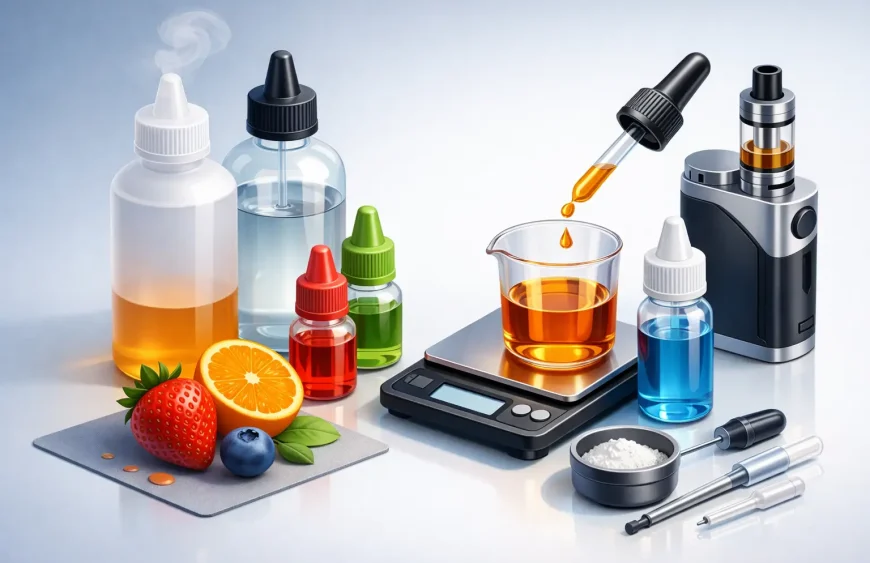
A favorite liquid that is always out of stock, a nicotine strength that feels slightly off, or a flavor profile that needs less ice can all push an experienced vaper toward DIY e-liquid. Mixing your own is not about making things complicated for the sake of it. It is about control: the exact ratio, flavor intensity, nicotine format, and bottle size you actually want.
For adult vapers, DIY can also reduce the per-bottle cost compared with buying finished e-liquid. That saving depends on the concentrates and nicotine products you choose, how much you mix, and whether a recipe turns out well enough to become a repeat. The trade-off is simple: you need accurate tools, clean habits, and the patience to let a mix settle before judging it.
Why DIY E-Liquid Makes Sense for Experienced Vapers
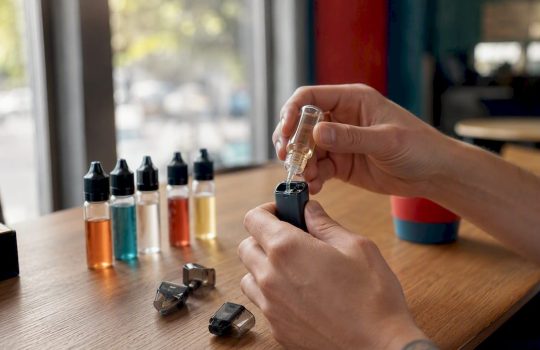
Ready-to-use liquids win on convenience. Open the bottle, fill the pod or tank, and go. DIY is better suited to vapers who already know what they like and want to fine-tune it. A mouth-to-lung user may want a smoother salt nicotine blend with a balanced 50/50 VG/PG ratio. A sub-ohm user may prefer higher VG for thicker vapor and a lower freebase nicotine strength.
Flavor is where DIY becomes especially useful. You can soften an overly sweet fruit mix, build a creamier dessert profile, add a small cooling note, or make a familiar flavor less intense for all-day use. Small adjustments make a real difference, but more concentrate is not automatically better. Too much flavor can taste harsh, perfumed, muddy, or strangely flat.
DIY also makes sense when you want consistency. Once a recipe is working, record it by weight and repeat it exactly. That is a better result than trying to recreate a good mix from memory with drops and guesses.
DIY E-Liquid Gear That Is Worth Buying
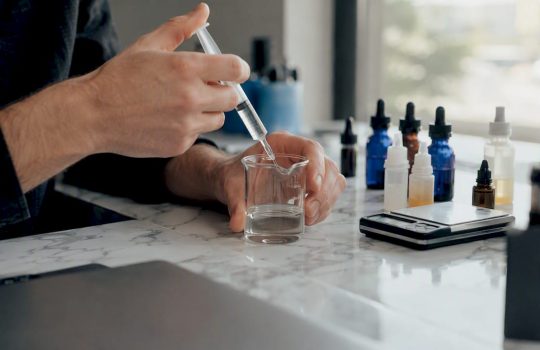
A basic setup does not need to be expensive, but accuracy is non-negotiable. Start with a digital scale that reads to 0.01 gram, empty e-liquid bottles, disposable gloves, paper towels, and labels. A few small syringes or pipettes can still help with transferring ingredients, although mixing by weight is generally cleaner and easier to repeat.
You will also need your core ingredients: VG, PG, flavor concentrates, and a nicotine base if nicotine is part of your mix. Check every label before opening it. Nicotine base strength, carrier liquid, and nicotine type all affect the final result. Freebase nicotine and nicotine salts are not interchangeable simply because their listed strength is similar.
Keep a dedicated workspace away from food, drinks, children, and pets. Good lighting and a wipe-clean surface make measuring less stressful. If you are mixing regularly, a small storage box for bottles, gloves, labels, and concentrates saves time and prevents the usual clutter.
Measure by weight, not by drops
Drops vary by bottle nozzle, liquid thickness, and how hard you squeeze. Grams are more reliable. Place an empty bottle on the scale, tare it to zero, add each ingredient slowly, and tare between additions if your recipe or calculator is set up that way.
Most e-liquid calculators support grams as well as milliliters and can account for the density differences between VG and PG. Use one rather than doing the full math in your head. It reduces errors and makes scaling a 10 mL test batch into a 60 mL bottle much easier.
Plan the Recipe Before You Mix
A good first DIY recipe is usually a simple one. Choose one main flavor, perhaps one supporting flavor, and a clear target for nicotine strength and VG/PG ratio. Complex recipes can be excellent, but they make troubleshooting harder. If six concentrates go into a bottle and the result tastes wrong, finding the cause becomes a guessing game.
Build a recipe around the device you use. A 50/50 blend tends to work well in many pods and starter kits because it wicks easily. Higher-VG blends are commonly used in more powerful tanks and rebuildable setups, but they may be too thick for small pod coils. Always follow the device maker’s recommendations.
Flavor percentage is not a universal rule. One concentrate may be strong at 2%, while another needs 10% or more to stand out. Manufacturer guidance can provide a starting point, but your preferred power level, coil type, and tolerance for sweetness will change the final experience. Start low, especially with cooling agents, sweeteners, and bold flavors such as cinnamon or citrus.
Use nicotine math carefully
The basic nicotine calculation is straightforward: divide the desired total nicotine amount by the nicotine base strength to find how much nicotine base is needed. For example, a calculator uses your target bottle volume, final mg/mL strength, and the labeled mg/mL strength of your nicotine base to calculate the exact amount.
Do not guess, round carelessly, or use an unlabeled nicotine bottle. A small measuring error is more significant in a 10 mL test batch than in a large batch. If the figures look confusing, pause and recheck them before mixing. Making a nicotine-free flavor test is also a practical way to judge a new recipe without adding another variable.
Mix Nicotine Products With Care
Nicotine is an addictive substance and can be harmful if swallowed or absorbed through skin. DIY e-liquid is for adults of legal age only. Wear gloves when handling nicotine, clean up spills immediately, and wash your hands after mixing. If nicotine contacts skin, rinse thoroughly with soap and water. Seek urgent medical advice if nicotine is swallowed or if you feel unwell after significant exposure.
Use bottles with secure, child-resistant caps where available, label every bottle clearly, and store nicotine base locked away in a cool, dark place. Never reuse a food or drink container for e-liquid. The label should include the recipe name, mixing date, nicotine strength, VG/PG ratio, and a clear nicotine warning when applicable.
Local rules on nicotine strength, bottle size, and product sales differ by market. Check the requirements that apply where you live before buying or mixing components. For commercial resale, only verified businesses should source and distribute products according to applicable regulations.
Steeping: When Time Improves the Mix
Some mixes are ready quickly. Simple fruit, mint, and cooling profiles often taste close to their final form after a short rest. Creams, bakery flavors, custards, and layered desserts may need days or weeks for sharper notes to settle and the profile to blend.
Steeping is not magic, and not every recipe gets better with more time. Keep the bottle closed in a cool, dark place, then test it at intervals. Shake gently before filling a device. Avoid leaving e-liquid in direct sunlight or heating it aggressively, since excessive heat and light can affect flavor and nicotine quality.
Write tasting notes rather than relying on memory. Record whether the flavor is too sweet, too weak, too cool, dry, harsh, or lacking a particular note. Then adjust one variable at a time in the next small batch. That habit turns random experiments into recipes you can actually improve.
Common DIY Mistakes That Waste Good Ingredients
The first is making too much of an untested recipe. A 10 to 20 mL trial bottle is enough to learn whether the balance works. The second is changing everything at once: more flavor, more sweetener, different VG/PG, and a new nicotine type. When the result disappoints, there is no clear answer for what caused it.
Another common problem is chasing flavor with excessive concentrate. If a mix seems weak, first check your coil condition, device power, and whether the recipe needs more steeping. Some flavors fade at high wattage or get buried under sweetener and cooling additives. A modest adjustment is usually smarter than doubling the percentage.
Finally, do not ignore coil impact. Heavy sweeteners and dark dessert concentrates can shorten coil life, especially in small pods. A cleaner fruit or mint recipe may be a better everyday choice if convenience matters as much as flavor.
Buy Components With a Clear Plan
DIY value comes from buying ingredients you will use, not from collecting every new concentrate. Choose trusted, clearly labeled VG/PG, nicotine bases, bottles, and flavors that fit your preferred style. If you mostly vape berry ice or tobacco blends, build around those profiles before branching into complicated bakery recipes.
VSHUB24’s DIY range makes it easier to match nicotine format, base ratio, bottles, and mixing tools in one order, whether you are topping up essentials or catching Fresh Deals on components. Keep your first setup focused, make small batches, and let your notes guide the next bottle. The best DIY e-liquid is not the most complicated recipe – it is the one you can mix safely, enjoy consistently, and make again with confidence.