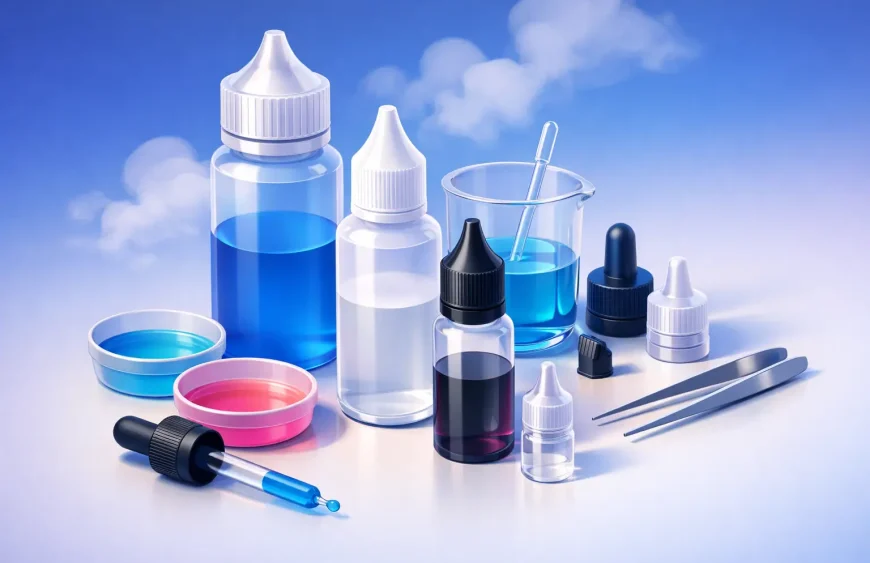
A great DIY recipe can still become a mess if the bottle leaks, the tip floods, or the label disappears after one week. E liquid mixing bottles are a small part of a home mixing setup, but they control the practical side of every batch: measuring, shaking, steeping, filling, and storing your finished liquid.
For adult DIY vapers, the right bottle means less waste and more consistent results. For shops building a DIY range, it is a category worth getting right because bottle size, material, and cap style affect how customers use every nicotine base, flavor concentrate, and finished e-liquid they buy.
Why E Liquid Mixing Bottles Matter
Mixing bottles do more than hold liquid. They are part measuring vessel, part storage container, and part refill tool. A well-chosen bottle lets you add VG, PG, flavoring, and nicotine with control, then shake the recipe thoroughly without worrying about seepage around the cap.
The wrong bottle creates predictable problems. A narrow opening makes thicker VG difficult to add. A poor tip can make filling a pod or tank slow and messy. Soft plastic may be convenient for squeezing, but it is not always the best choice for long-term storage of every flavor profile. Strong citrus, menthol, cinnamon, and cooling concentrates can be especially demanding over time.
There is no one perfect bottle for every mixer. The best choice depends on whether you are making a quick 10 mL flavor test, preparing a 60 mL daily bottle, or batching larger quantities to reduce the cost per mL.
Choose the Right Bottle Size
Bottle capacity should match the way you actually vape and mix. Buying only large bottles can be tempting when bulk value is the priority, but big batches are a poor match for untested recipes. Start small when dialing in a new concentrate or adjusting nicotine strength. Once the recipe is right, moving to a larger bottle saves time.
10 mL and 30 mL bottles for testing
Small bottles are the practical choice for trial recipes. A 10 mL batch lets you test a flavor without committing much nicotine base, VG, or concentrate. It also makes it easier to compare variations, such as 5% versus 7% flavoring or a different cooling level.
Thirty milliliters is a useful middle ground. It gives you enough liquid to assess how a recipe changes after steeping, while keeping the loss manageable if the result is not for you. Small bottles are also handy for carrying a backup flavor away from home.
60 mL and 120 mL bottles for regular use
A 60 mL bottle suits many everyday DIY mixers. It is large enough for a meaningful batch and compact enough to carry. If your device uses a standard fill port, a slim nozzle can make refills clean and quick.
A 120 mL bottle is better for a proven all-day recipe or a household with more than one adult vaper using the same liquid. Leave enough headspace for shaking. Filling a bottle to the absolute top makes mixing less effective and increases the chance of spills when removing the cap.
Larger bottles for base and batch mixing
Mixers who buy VG, PG, or zero-nicotine base in bulk may use larger bottles for base preparation. These are useful, but accuracy matters more as volume increases. A large container should not replace proper measuring tools. Use a scale or suitable syringe for the recipe, then use the bottle for shaking and storage.
Bottle Materials: PET, LDPE, and Glass
Most DIY bottles are made from PET plastic, LDPE plastic, or glass. Each has a place in a practical mixing kit.
PET is clear, firm, lightweight, and widely used for e-liquid storage. Its transparency makes it easy to see the liquid level and check whether a mix has separated. PET bottles are a solid all-around choice for finished e-liquid, especially when you want a clean retail-style look and dependable shelf storage.
LDPE is softer and more flexible. It is the familiar squeeze-bottle material many vapers prefer for refilling pods, tanks, and rebuildable atomizers. The trade-off is that very soft bottles can be harder to control with thin, high-PG liquid, and some users prefer a firmer material for long steeping periods.
Glass is best reserved for mixers who want a more inert option for storing flavor concentrates or long-steeping recipes. Amber glass provides additional protection from light. It is not the easiest option for travel or fast refills, however, because it is heavier and can break. For most daily use, plastic wins on convenience.
Tips, Caps, and Openings Make the Difference
A bottle is only as useful as its closure. Child-resistant caps are the sensible default for nicotine-containing products, particularly in homes where children may be present. Keep all nicotine liquids locked away and out of reach regardless of the cap type.
Needle-tip or unicorn-style nozzles are popular because they fit into tight fill ports and let you control the flow. They work particularly well with pods and smaller tanks. A wider nozzle may be better for thick high-VG liquid, which can move slowly through a narrow tip.
For mixing, wide-mouth bottles have a real advantage. They make it easier to add VG, PG, and concentrates without coating the outside of the bottle. You can always switch to a nozzle cap after the recipe is mixed. If you use a separate cap and tip, make sure the components fit securely and do not cross-thread.
Clean Mixing Starts Before You Add Ingredients
A clean bottle protects the flavor of the next batch. New bottles should be inspected before use. Check the cap seal, make sure the nozzle is fully seated, and look for manufacturing dust or damage. If washing is needed, use warm water and allow every part to dry completely before adding e-liquid ingredients. Water left in a bottle can thin the liquid and affect the result.
Do not reuse a bottle that held a strong flavor unless it has been thoroughly cleaned and no smell remains. An old menthol or cinnamon note can easily take over a delicate fruit, dessert, or tobacco mix. Many experienced mixers keep dedicated bottles for profiles that linger.
Labels are not optional. Write the recipe name, mix date, nicotine strength, VG/PG ratio, and any steeping note. If you make multiple versions, add a version number. A clear label prevents accidental use of the wrong strength and saves you from trying to identify a mystery bottle weeks later.
Safe Handling for Nicotine Mixing
Nicotine is addictive and should only be handled by adults of legal age. Concentrated nicotine liquid requires extra care. Wear suitable gloves, work on a clear surface, and clean spills immediately. Avoid skin contact, keep food and drinks away from the mixing area, and never leave nicotine ingredients or mixed e-liquid where children or pets can access them.
Use dedicated tools for DIY mixing rather than kitchen equipment. Store nicotine bases, finished bottles, and flavor concentrates upright in a cool, dark place. Heat and sunlight can reduce flavor quality and may affect nicotine over time.
If you are new to DIY, keep the first batches simple. Use a tested flavor concentrate, choose a manageable bottle size, and calculate every ingredient before opening the nicotine. The aim is repeatable mixing, not improvising with concentrated ingredients.
A Practical Bottle Setup for DIY Vapers
A useful starter rotation does not need to be complicated. Keep small bottles for recipe tests, 60 mL bottles for regular mixes, and one or two larger bottles for established favorites. Add a few spare caps and tips, because those are the parts most likely to get misplaced during a busy mixing session.
Buying bottles in multipacks often makes more sense than replacing them one at a time, especially if you mix several flavors or want dedicated bottles for different nicotine strengths. It is a low-cost way to keep a DIY station organized and ready for the next Fresh Deal on bases, flavors, or longfill components.
The bottle that works best is the one that makes your process easier to repeat: clearly labeled, properly sealed, sized for the batch, and clean enough to let the recipe speak for itself.