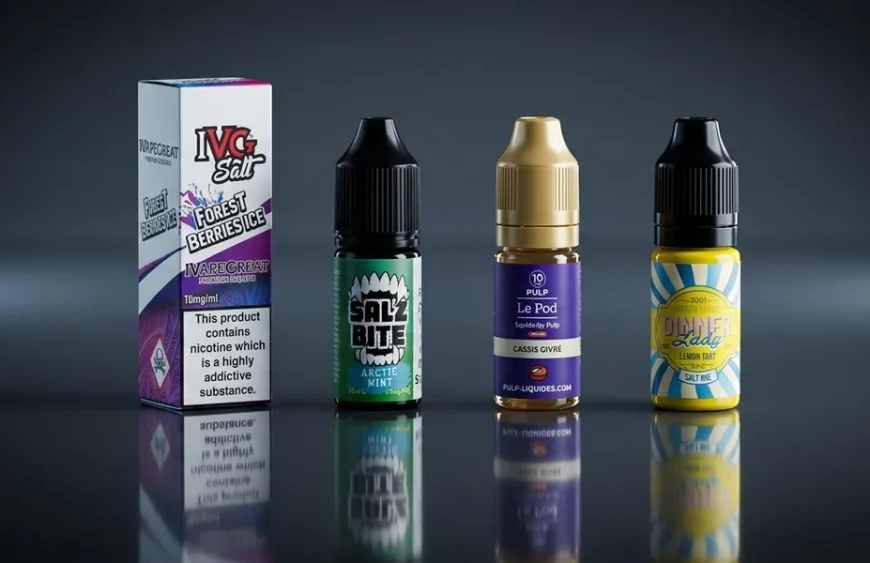
Nicotine salt strength is the concentration printed on an e-liquid label, usually in milligrams per milliliter. Choosing it is not simply a contest between a weak and strong bottle. The same liquid can deliver a very different experience when the device, coil, airflow, puff length, and frequency of use change. This guide explains the numbers so adult nicotine users can compare labels without guessing.
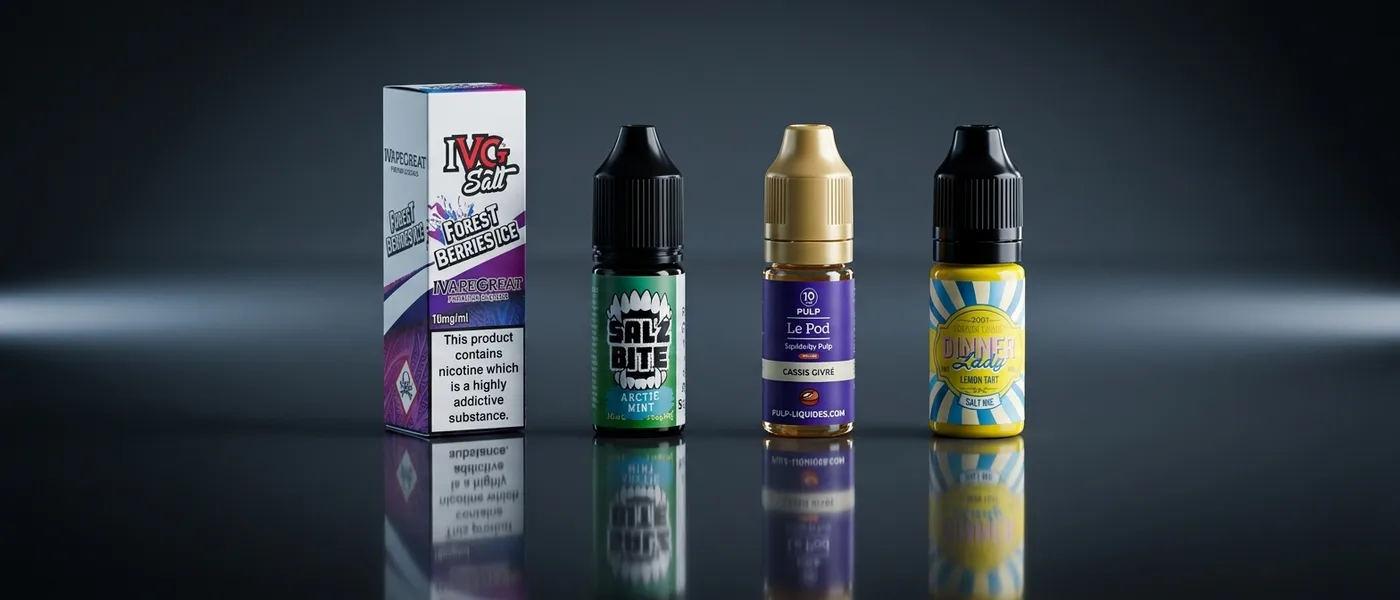
What does nicotine strength in mg mean?
The usual unit is mg/ml: milligrams of nicotine per milliliter of e-liquid. A 20mg/ml liquid contains 20 milligrams in every milliliter. If the bottle holds 10ml, the whole bottle contains 200 milligrams before use. That is the bottle total, not the amount delivered in one puff or absorbed by the body.
| Label | Equivalent percentage | Nicotine in a 10ml bottle | What the number tells you |
|---|---|---|---|
| 0mg/ml | 0% | 0mg | No nicotine intentionally added |
| 10mg/ml | 1% | 100mg | 10mg in each milliliter |
| 20mg/ml | 2% | 200mg | 20mg in each milliliter |
| 50mg/ml | 5% | 500mg | 50mg in each milliliter, a very high concentration |
The percentage conversion is useful when two brands use different label styles: 1% is approximately 10mg/ml, 2% is 20mg/ml, and 5% is 50mg/ml. Do not confuse mg/ml with the bottle’s total milligrams, and do not treat either number as a precise dose per puff. Actual delivery depends on the liquid, hardware, settings, and how the device is used.
Four factors that determine the right mg
There is no universal nicotine salt strength that fits every adult. Use these four factors together:
Existing nicotine use
A person replacing regular cigarette use has different needs from someone already reducing a lower-strength e-liquid. Nicotine-naive adults should not begin using nicotine.
Device output
A small low-power pod generally vaporizes less liquid per puff than a high-output device. More aerosol can mean more nicotine delivered even when the label number is lower.
Puff pattern
Short occasional puffs and frequent long puffs do not create the same exposure. Puff length and frequency matter alongside concentration.
Your response
Persistent cravings can signal an inadequate setup. Nausea, dizziness, headache, or palpitations can indicate excessive nicotine exposure and mean you should stop.
Adults using vaping to move away from smoking can get individual guidance from a qualified stop-smoking or healthcare professional. Avoid rigid cigarette-per-day conversion charts: cigarette nicotine delivery, inhalation behavior, and vape-device performance vary too much for an exact one-line conversion.
10mg vs 20mg vs 50mg nicotine salts
10mg nicotine salt
A 10mg/ml label equals 1%. It contains half the nicotine concentration of 20mg/ml and one fifth of 50mg/ml. It may suit an adult who finds 20mg too strong, uses a somewhat more efficient compatible pod, or is reducing nicotine. Availability differs by brand, so the same flavor may not exist at every strength.
20mg nicotine salt
A 20mg/ml label equals 2%. It is a high-strength liquid commonly sold for low-power refillable pods and mouth-to-lung devices. It should not be treated as the automatic starting point for every beginner. Check the device instructions and your existing nicotine needs before choosing it. VSHUB24’s live 20mg e-liquid category shows the current range.
50mg nicotine salt
A 50mg/ml label equals 5% and contains two and a half times the nicotine concentration of a 20mg/ml liquid. It is a very high-strength regional format, not a normal default for someone new to nicotine or an unfamiliar device. Market availability and purchase rules vary. Never place it into high-output hardware, and do not assume fewer puffs automatically make it appropriate.
Why the device changes how a strength feels
Concentration is only one part of delivery. A coil with more surface area, higher power, open airflow, and a longer puff can aerosolize more liquid. That is why a concentration that feels controlled in one compatible pod may feel excessive in another setup. It is also why low-strength freebase liquid can still deliver meaningful nicotine in a high-output device.
| Hardware characteristic | Typical liquid direction | What to verify |
|---|---|---|
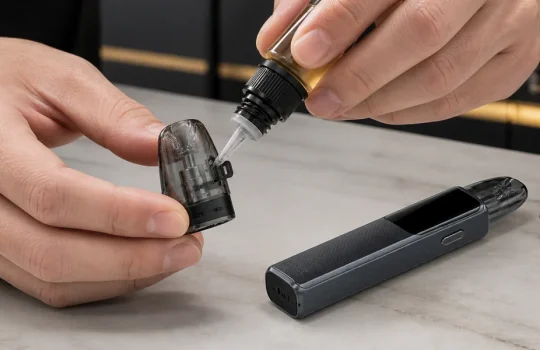
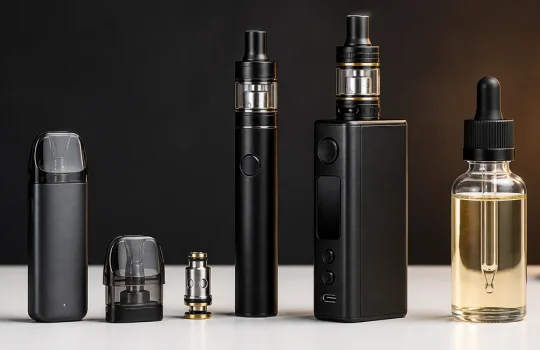
| Compact low-power pod, tighter MTL draw | Often paired with 50/50 nicotine salt at a suitable strength | Cartridge resistance, power range, and maker’s liquid guidance |
| Adjustable pod with several cartridges | Strength may need to change when cartridge output changes | Exact cartridge and selected power, not just the device name |
| Higher-output or direct-lung setup | Usually lower nicotine concentration, often freebase | Manufacturer guidance and liquid viscosity |
Do not use a universal coil-resistance cutoff as the only rule. Coil geometry, wicking, airflow, power, and puff style all affect output. The vape coil guide explains those variables, while nicotine salt vs freebase compares the two formulations directly.
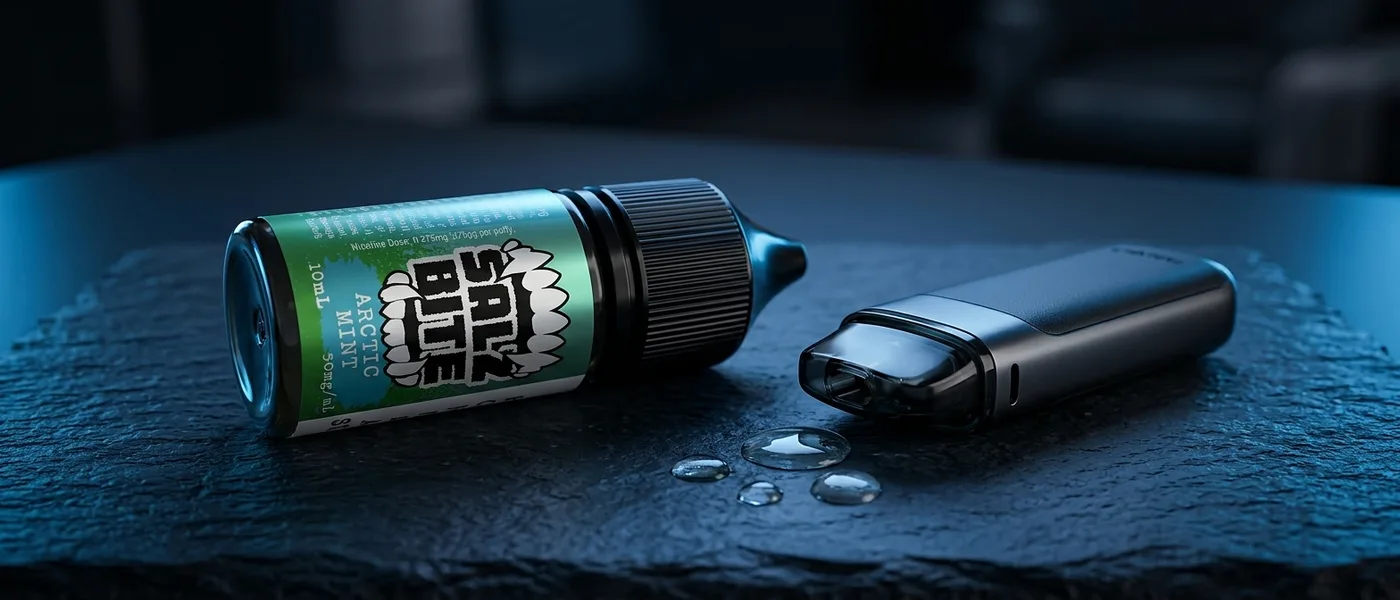
Current product examples with clear strength labels
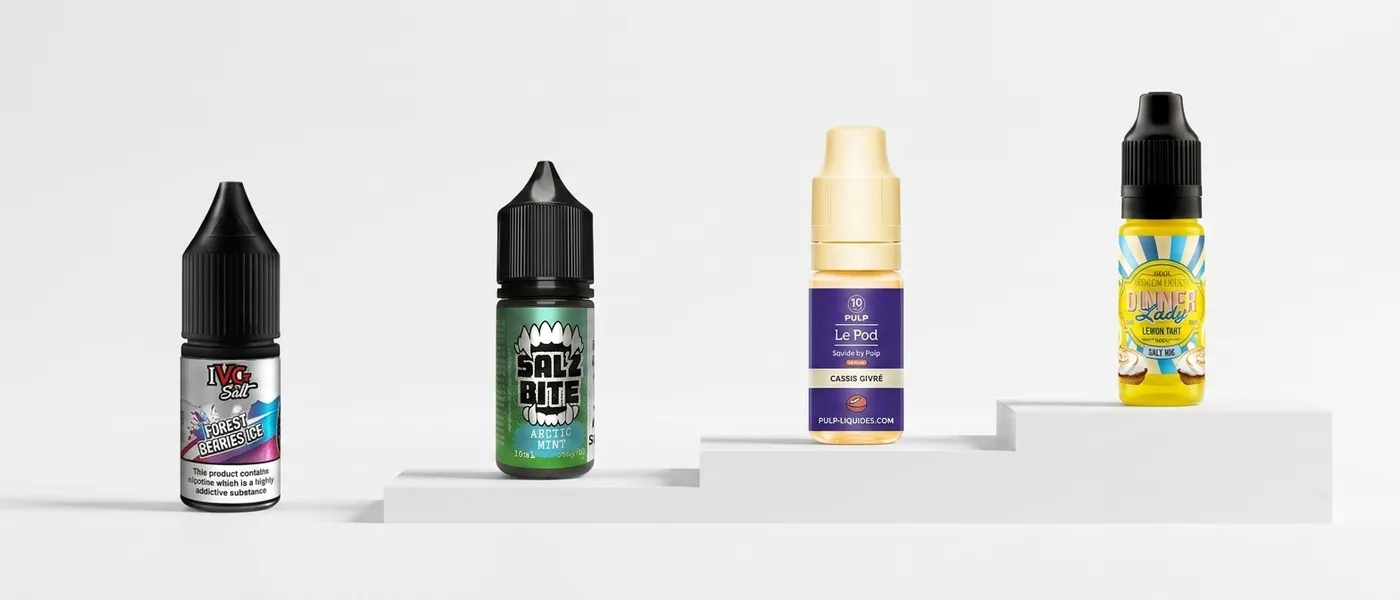
These examples show how 20mg and 50mg formats appear in the VSHUB24 catalog. They are not a personal strength prescription. Open the product page and verify the live label, country availability, device guidance, and stock before ordering.
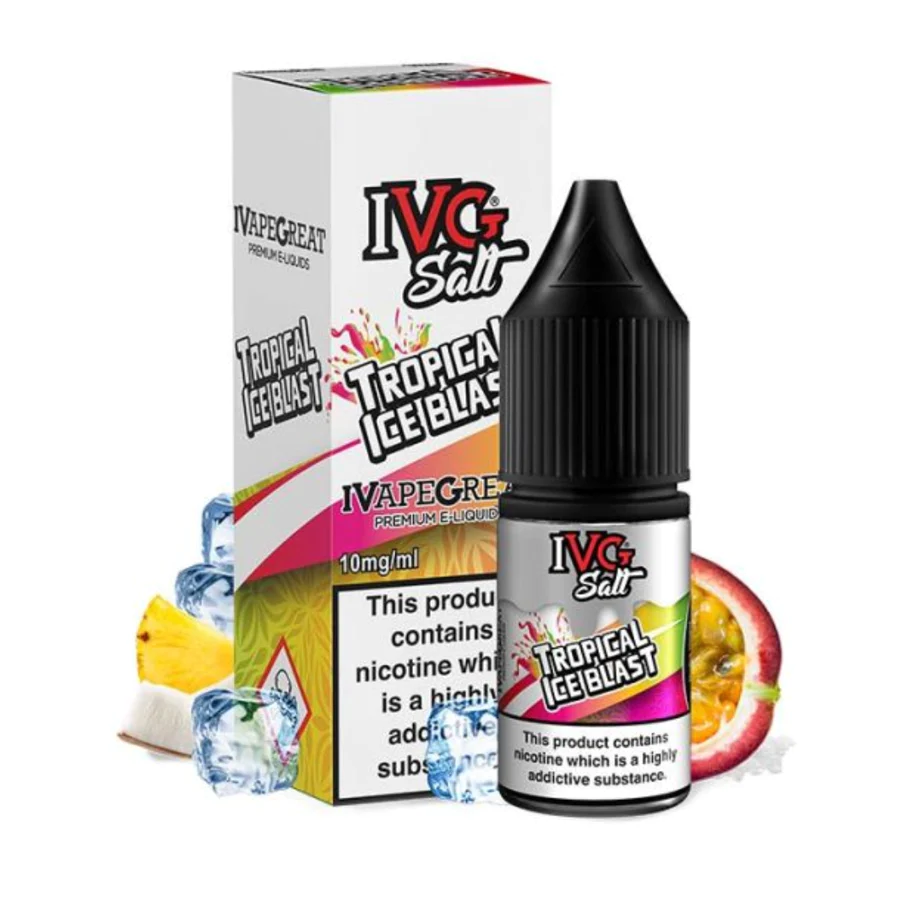
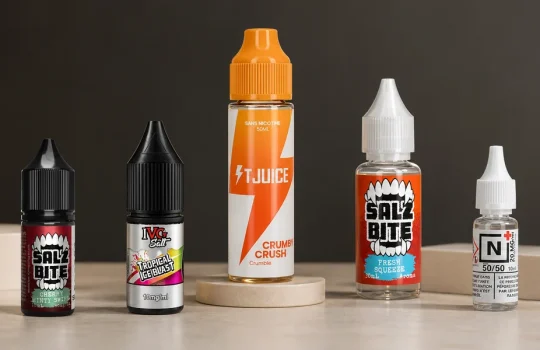
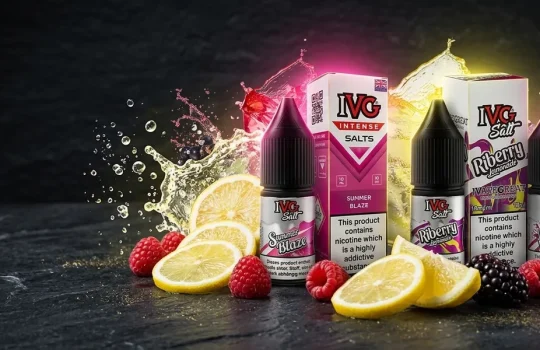
Tropical Ice Blast 20mg 10ml IVG Salts
A finished fruit-and-cooling nicotine salt for compatible low-power hardware.
View product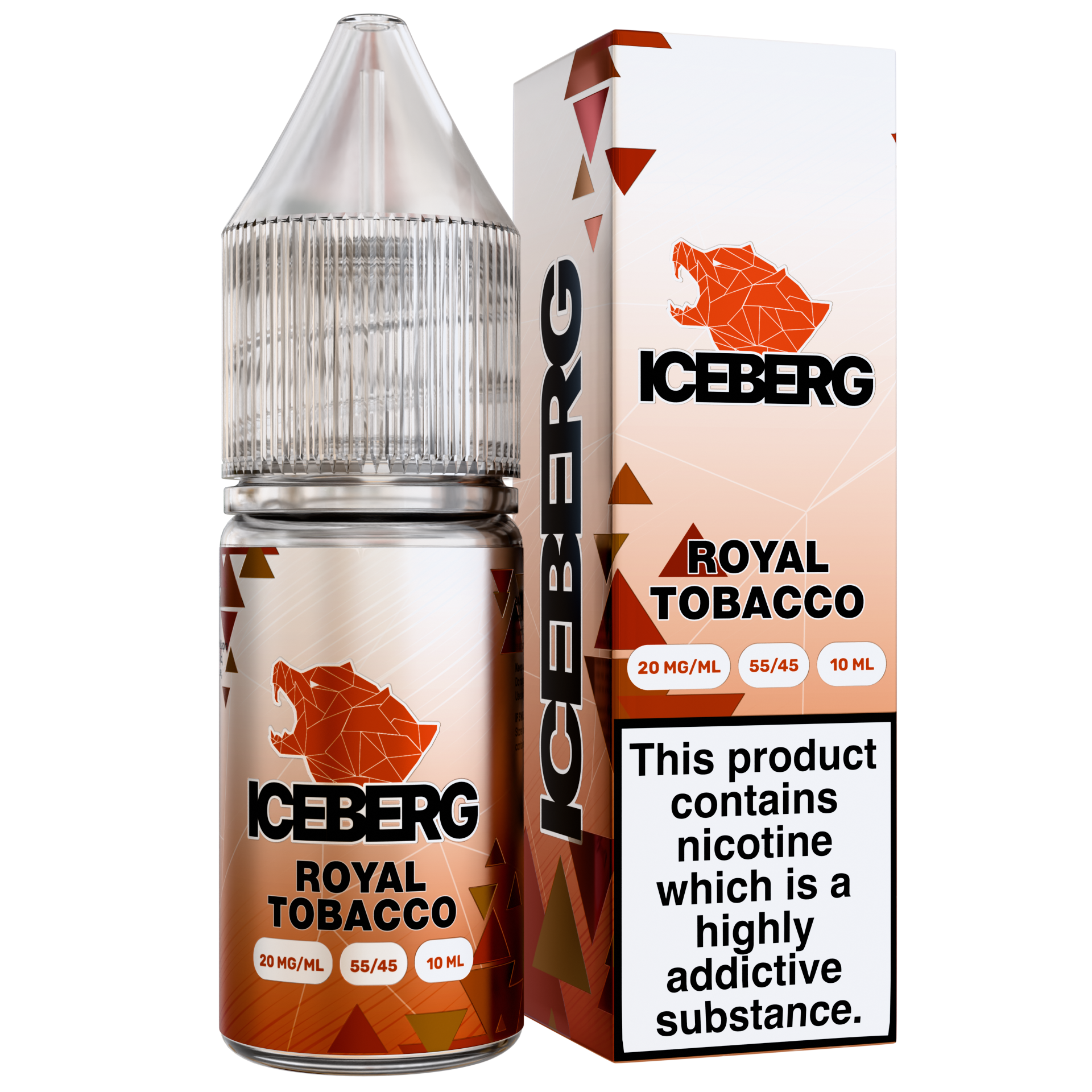
Royal Tobacco 20mg Iceberg Salts
A finished tobacco-profile salt with a clearly stated 20mg concentration.
View product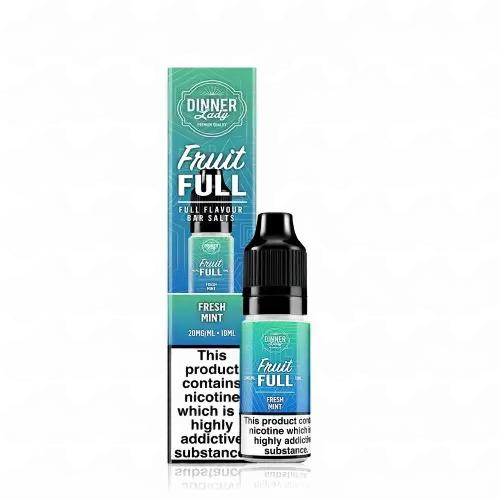
Fresh Mint 20mg 10ml Bar Salt Dinner Lady
A finished mint-profile option in the same 20mg concentration and balanced ratio.
View product
Lemon Tart 10ml 20mg Bar Salt Dinner Lady
A dessert-profile example showing that flavor does not change the meaning of 20mg.
View product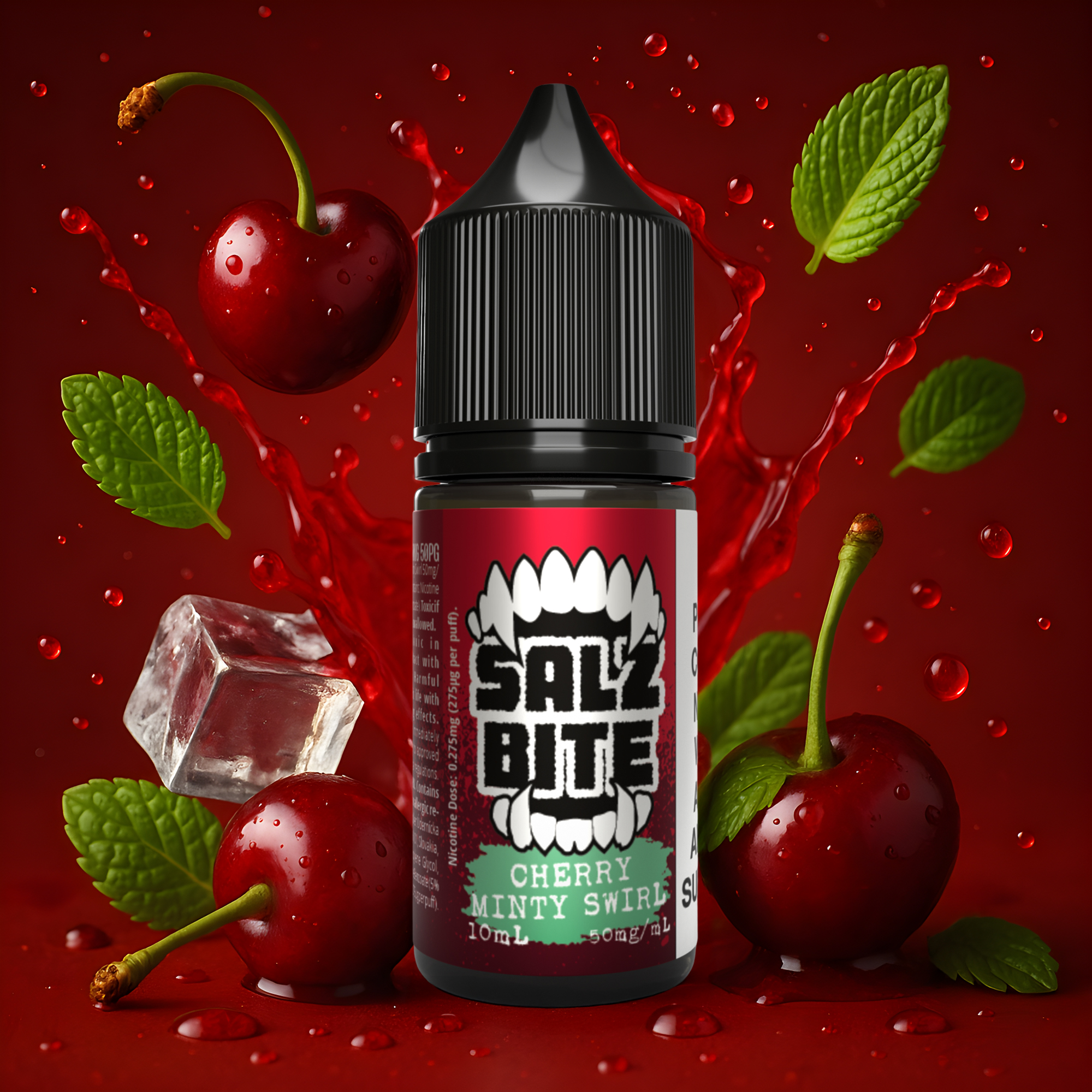
Cherry Minty Swirl 10ml 50mg Salz Bite
A very high-strength regional salt format with fruit and mint flavor notes.
View product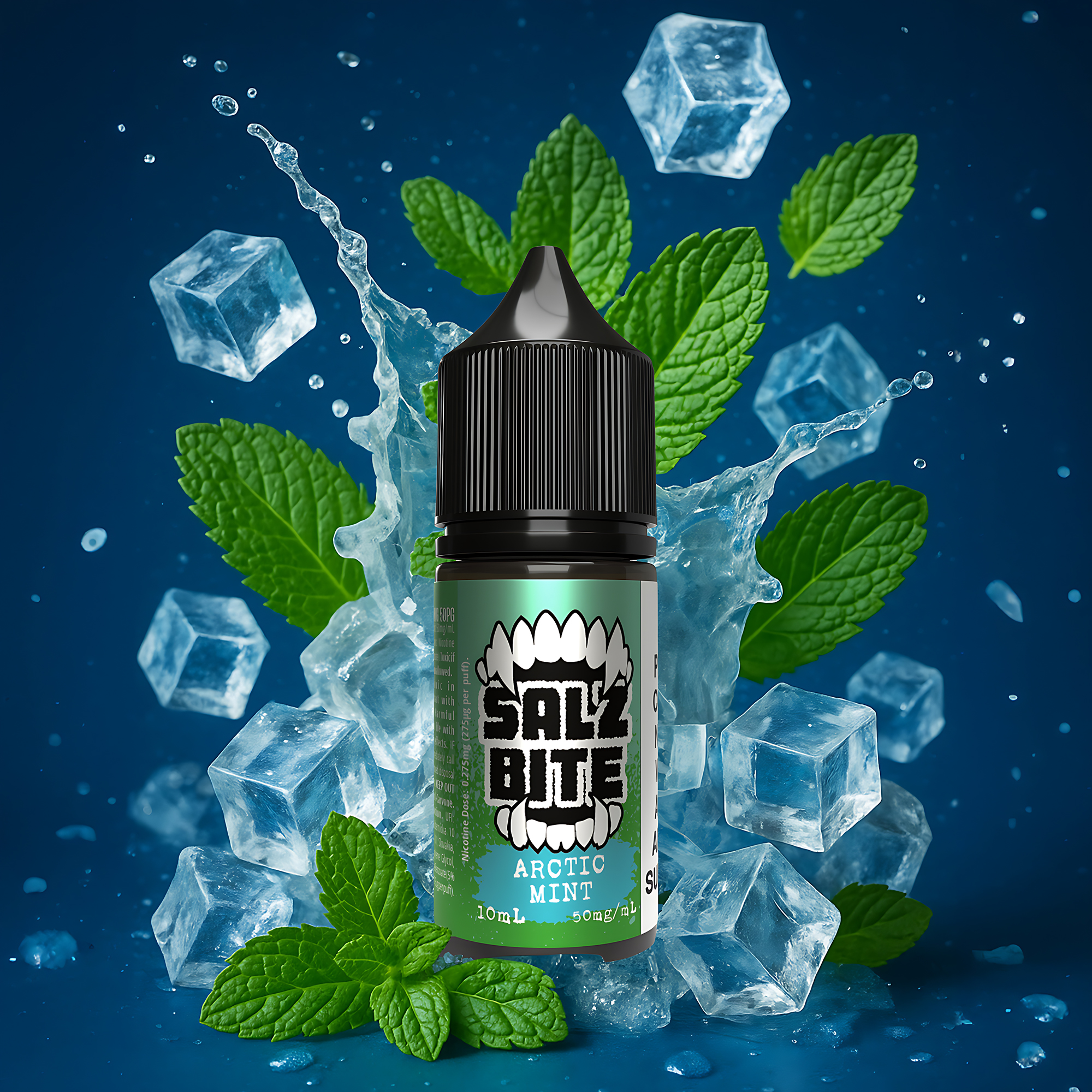
Arctic Mint 10ml 50mg Salz Bite
Another very high-strength example whose cool flavor must not be mistaken for low strength.
View productHow to adjust nicotine strength without guessing
- Keep the hardware stable. Do not change the cartridge, power, airflow, and nicotine concentration at the same time.
- Read the complete label. Confirm mg/ml, volume, nicotine form, VG/PG ratio, and whether the liquid is ready to vape.
- Change one step at a time. If a strength is unsuitable, move to the next available concentration in a compatible liquid rather than improvising a mixture.
- Reassess the pattern. Notice cravings, frequency of use, and any signs of excessive intake over several normal sessions.
- Ask for qualified help when needed. A healthcare or stop-smoking professional can help an adult replacing cigarettes choose and reduce nicotine more deliberately.
Do not dilute a finished bottle with water, household ingredients, or an unidentified liquid. If you are making a calculated mixture from compatible components, use the nicotine mixing calculator guide and the manufacturer instructions. A nicotine shot, nicotine base, and ready-to-vape salt are different products.
Common nicotine-strength mistakes
- Choosing by flavor: mint can feel cool and fruit can feel soft, but neither tells you the nicotine concentration.
- Assuming smooth means weak: nicotine salts can feel less harsh than equivalent freebase liquid while still carrying the printed concentration.
- Using the bottle total as a puff dose: 200mg in a full bottle is not 200mg per use.
- Ignoring a cartridge change: a higher-output cartridge can alter delivery even if the bottle stays the same.
- Copying another person’s strength: their nicotine history, device, and puff pattern may be different.
- Using high strength in high-output hardware: this can deliver an excessive amount of nicotine very quickly.
Frequently asked questions
What does 20mg nicotine salt mean?
It normally means 20 milligrams of nicotine per milliliter of e-liquid, equivalent to approximately 2%. A 10ml bottle therefore contains 200mg in total before use, not 200mg per puff.
Is 20mg nicotine salt suitable for every beginner?
No. Beginner describes experience with vaping, not nicotine need. The suitable concentration depends on existing nicotine use, device output, puff pattern, and individual response. Nicotine-naive adults should not start using nicotine.
Is 50mg stronger than 20mg?
Yes. A 50mg/ml liquid has two and a half times the nicotine concentration of a 20mg/ml liquid. The exact amount delivered per puff still depends on the device and how it is used.
Does a smoother throat hit mean less nicotine?
No. Sensory smoothness and nicotine concentration are separate. Nicotine-salt formulation can reduce perceived harshness, so the strength label must be checked rather than estimated by feel.
Can the same strength feel different in another pod?
Yes. Power, cartridge design, airflow, coil surface, puff length, and frequency can all change aerosol output and nicotine delivery. Reassess strength whenever the hardware changes materially.
What should I do if nicotine salt feels too strong?
Stop using it if you feel nauseated, dizzy, unwell, or experience a headache or palpitations. Recheck the label and device, and consider a lower compatible strength with qualified guidance. Seek medical help for severe or persistent symptoms.
Continue with the nicotine salt cluster
For adults who already use nicotine only. Nicotine is addictive. Keep every bottle secured away from children and pets. Product availability and permitted strengths vary by country. This guide is educational and is not a personal medical recommendation.